
it's still August
even though we're very late, sorry!
The summer is finishing up & we're getting ready to dive headlong into a new school year! That means we have a new cohort of Practitioners in Residence to announce! First, though, a few little newsbits -
- We got a little highlight in the alumni magazine this summer - you can read that & see their photos from the collection here: https://www.colorado.edu/coloradan/2026/07/20/cu-boulders-media-archaeology-lab.
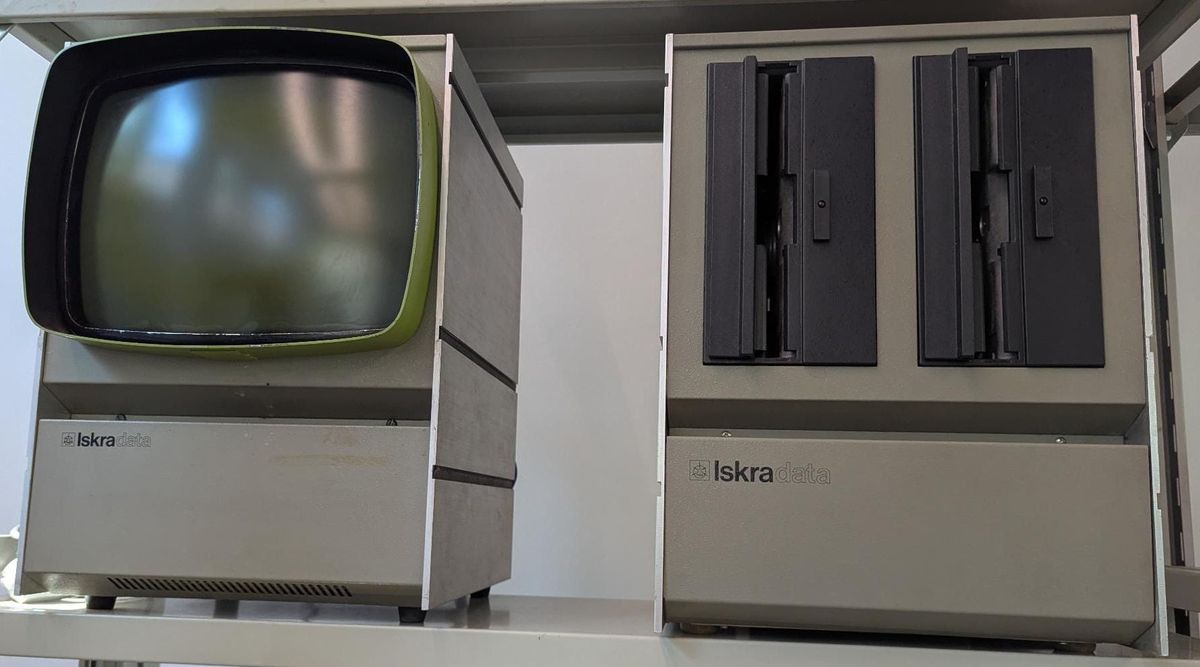
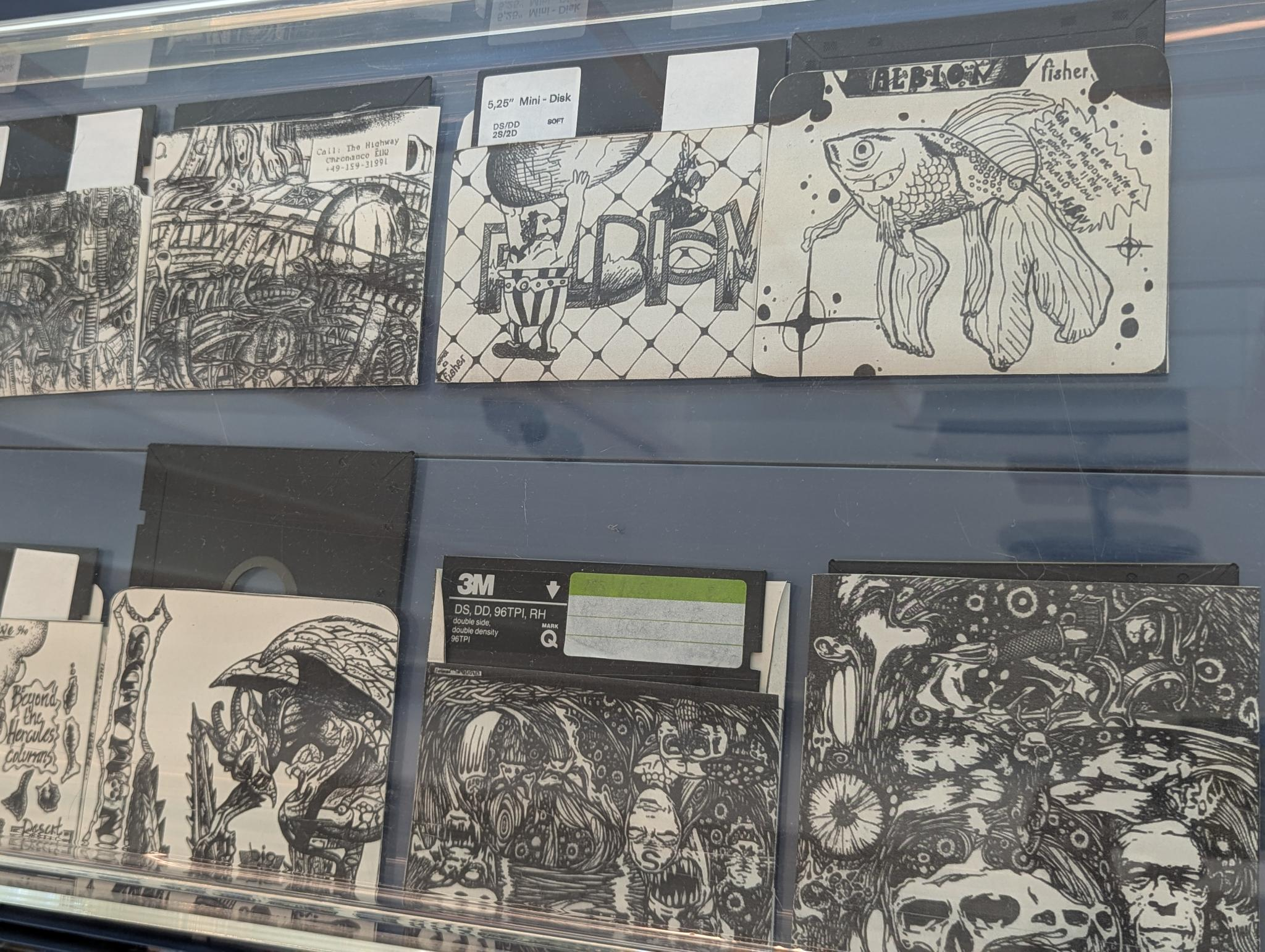
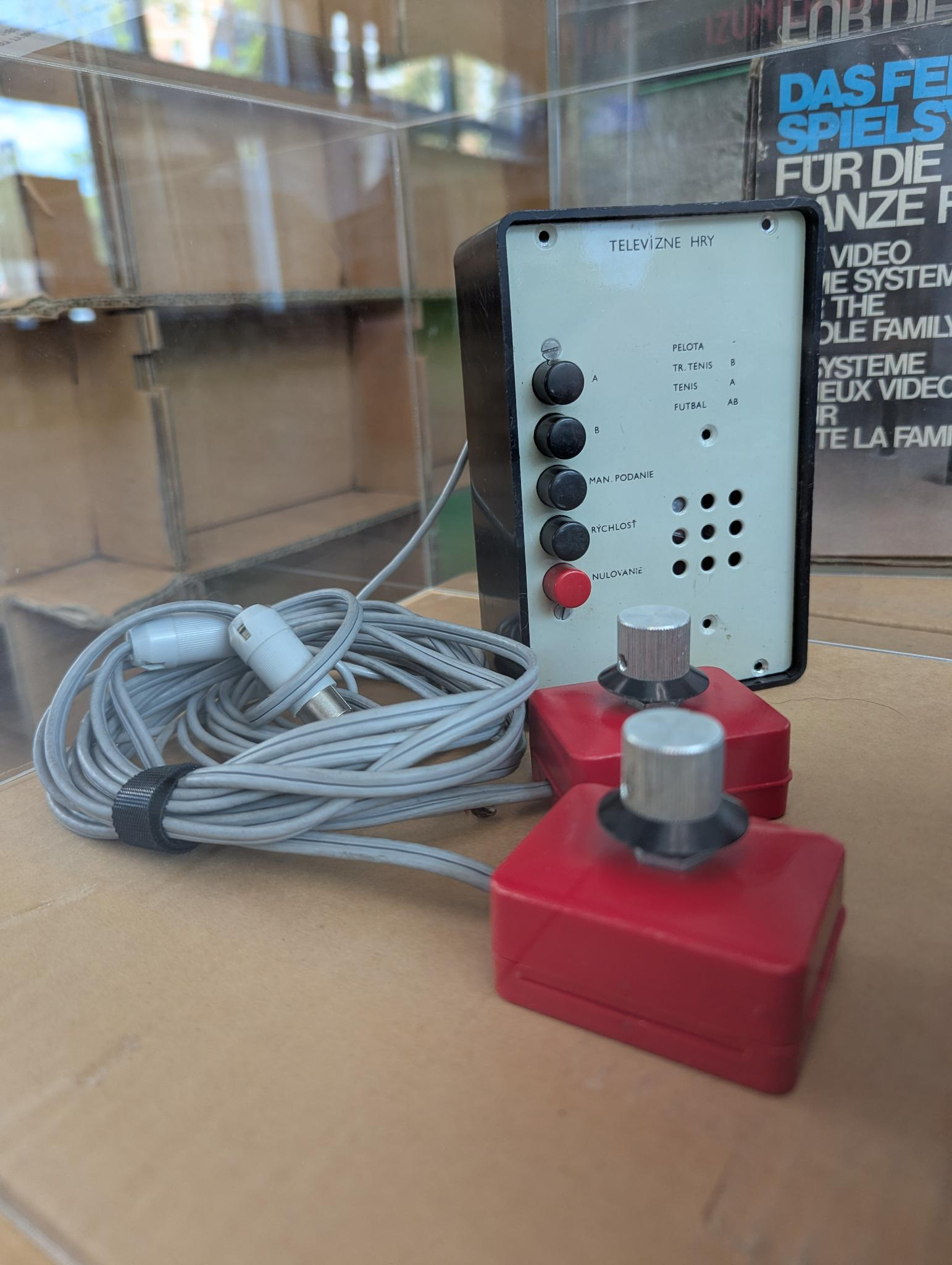
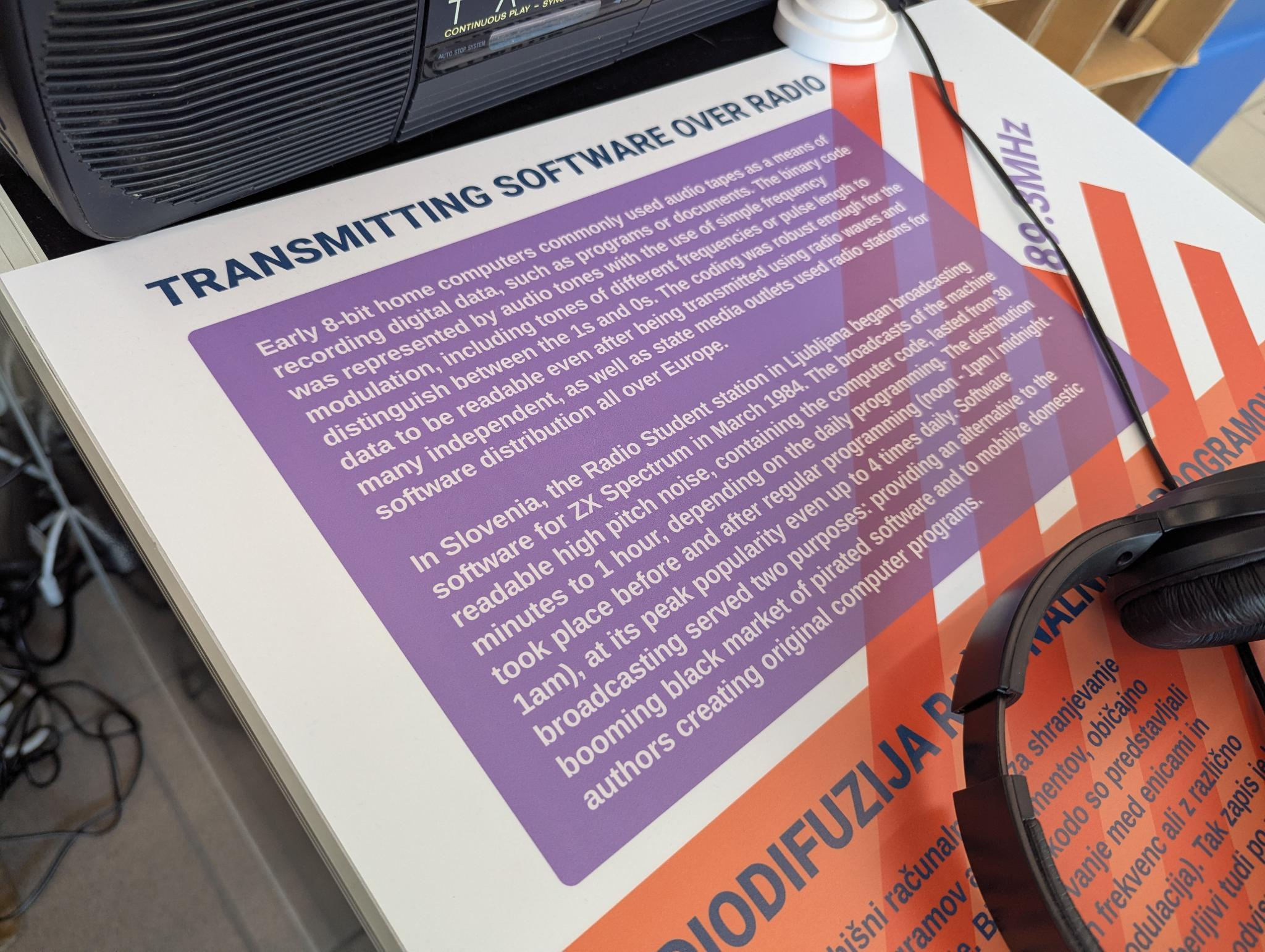
- Managing director libi had the opportunity to visit Slovenia's Computer History Museum, a really wonderful space with a lot of interactive exhibits and some excellent historical context on Balkan computing. Hacking If you're in Ljubljana, it's well worth stopping by. Their website: Racunalniski Muzej.
- We're finalizing open house hours for the fall semester, and those will be posted as always on our Mastodon & our calendars page.
But, the big news!
Residents start joining us in October and go straight through til March! We'll be announcing public events for each, so keep an eye out for that. Our '26/'27 Practitioner in Residence Cohort, in order of appearance:
Cory McKague
is a game developer, creative technologist, and educator whose work explores immersive storytelling, horror, embodiment, memory, and experimental interaction. His current practice centers on XR and game design, with an emphasis on creating strange, tactile, and emotionally charged interactive experiences that blur the boundaries between games, installation, research, and personal narrative.
Cory is an Assistant Professor of Game Design and Interactive Media at the University of Montana, where he teaches game development, game art, XR technologies, creative coding, and interactive media. His recent VR project, Watsonville, is a psychological horror experience set in a 1990s California trailer home and explores childhood memory, domestic space, fear, and imagination. His work has been presented in contexts including SXSW XR, FIVARS and Meaningful XR.
Cory holds degrees in education and creative technologies and is also an alumnus of the University of Colorado Boulder. His creative research often investigates how technology shapes perception, play, identity, and the stories we tell about ourselves.
Chris Combs
is an artist based in Washington, D.C and Mount Rainier, Maryland whose sculptural artworks both incorporate and question technologies. Chris was the 2025 Artist in Residence at the Sanford Underground Research Facility, and is a five-time recipient of the DC CAH Arts and Humanities Fellowship. He is a graduate of the Corcoran College of Art + Design and was a photo editor for National Geographic.
He has shown at VisArts, McLean Project for the Arts, IA&A at Hillyer, and other DC-area institutions. His artwork Periscopes is permanently installed in Buzzard Point, D.C., and Madness Method, a collaboration with David Greenfieldboyce, was part of Georgetown GLOW. The Next Big Thing (MoCA Arlington Innovation Studio, 2024) recreated Hokusai’s Great Wave off Kanagawa with E-waste that reacted to visitors’ faces and movements. His show Supercycle (IA&A at Hillyer, 2023) invoked cycles of hype, such as “AI” and cryptocurrencies. Outsized Effects (Gradient Projects, Thomas, WV, 2023–4) included the room-sized Allegheny Data Company, examining data mining through the visual lens of coal mining. Chris is a member of Otis Street Arts Project.
Carrie Hott
is an artist, designer, and educator who works in multiple mediums, ranging from installation and video to websites and publications. Her work focuses on opaque technological systems and how these impact on our sense of self, time, and agency. Through her work she sets up shared experiences that question how technological infrastructure is made legible, and by whom.
She collaborates widely and values multiple perspectives, voices, and entry points in her work in order to best reflect systems that are larger than all of us, and impact each of us in unique ways. She currently co-stewards the project how to slow internet, which is focused on collaborative experimentation with small scale communication technology in order to better consider the large scale communications infrastructure on which we increasingly depend.
Carrie is currently assistant professor of Graphic Design in the Studio Art department in the Eskenazi School of Art, Design, and Architecture at Indiana University in Bloomington, Indiana, after previous teaching appointments at the University of San Francisco, University of California, Berkeley and San Jose State University, among others.
Kadallah Burrowes
is a trans-disciplinary artist and creative technologist. Their research is in distributed artist and activist communities, while their art is currently focused on collaborative social art practice.
Their work as a designer of ethical technologies has been recognized internationally by Microsoft, Intel, Biodesign Challenge, Cre8 Summit, and Zaojiu Youth. They have worked on projects showcased and performed in person at Wave Farm, Fridman Gallery, Munyu Space, Nafasi Art Space, Power Station of Art, MoMA PS1, and Shanghai Symphony Orchestra, and digitally in COMMON and in collaboration with the City of Seattle. Their work has been featured in Resident Advisor, China Daily, Kernel Magazine, Radii China, Brooklyn to Beijing, The Afrofuturist Podcast with Ahmed Best, GoFAR, and Speak Up! Speeches by Young People to Empower and Inspire.
JB Crawford
is a technology writer and DevOps consultant in Albuquerque, New Mexico. Their work focuses on the history of communications technology, particularly as it was influenced by military and business demands during the Cold War. They are deeply interested in the organizations, people, and cultural context that led computers to become what they are today. The American West makes up another large part of their work, and particularly the many highs and lows of American efforts to conquer it. Crawford holds an MS in Electrical and Computer Engineering and works in the software industry, but is best known for writing the newsletter Computers Are Bad. They are an occasional contributor to magazines, and speak at both hacker community events and history conferences.
sevgi
is an experimental publisher, maker and media collector based in Rotterdam. She studied oil painting and weaving in Istanbul, graphic design and experimental publishing in Rotterdam. She passes time thinking about how technologies come and past without rituals, making books, organizing community meetings that revolve around fibers, and collecting old devices from local media museums or friends of friends, echoes of political borders (licenses, warranties, passports) in everyday life.
That feels like enough for now... more in September when the start of year dust has started to settle!
- 🌈MAL